CC BY-SA 4.0
These articles are licensed under a Creative Commons Attribution-ShareAlike 4.0 International license.
Related Tags
Your coding agent shouldn't grade its own homework
AI coding agents can now write design docs, mock up frontends, and implement entire projects end to end. But can they be trusted to verify that their own code actually works?


Your .NET parallel loop can become serial in a one-CPU container
CPU-based defaults can leave an I/O-heavy loop processing one record at a time. Raising the limit helps, but each downstream service still needs a concurrency budget it can handle.

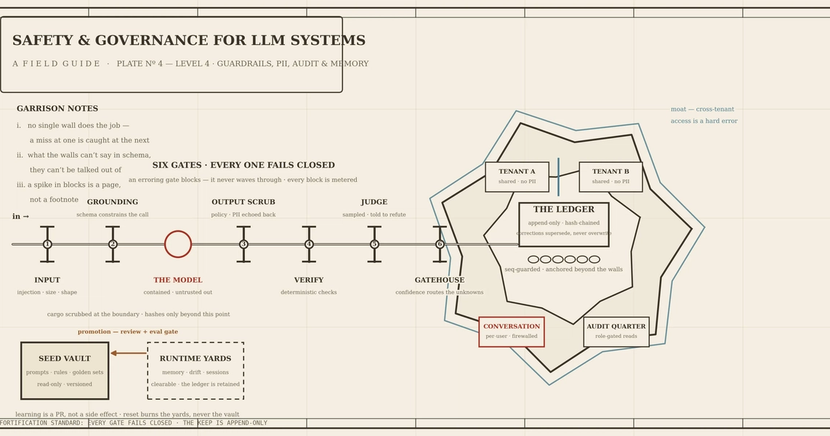
A JSON schema Is not an AI governance layer
The AI governance argument is happening one layer above the code that actually stops your agent.


Is AI really reshaping the developer market?
The market for developer jobs is shrinking, and it's getting harder to hire the engineers you need.


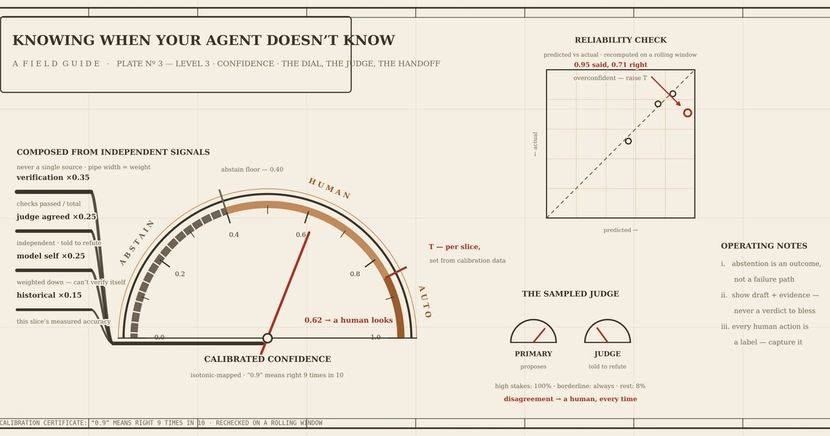
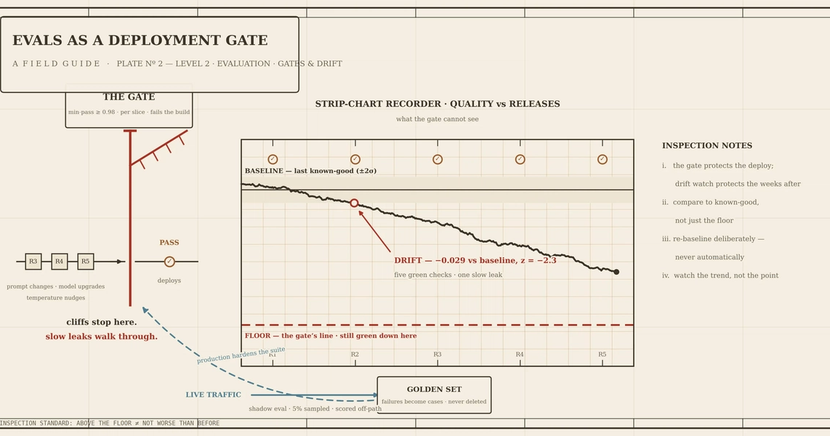
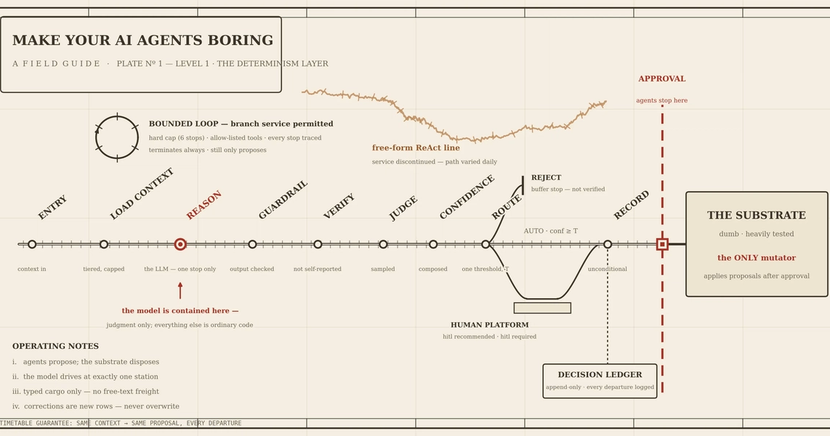
Production-grade LLMs and agents: a field guide
A maturity model for taking agents from an impressive demo to a system people can depend on — with a self-assessment and the map to a deep-dive on each layer.

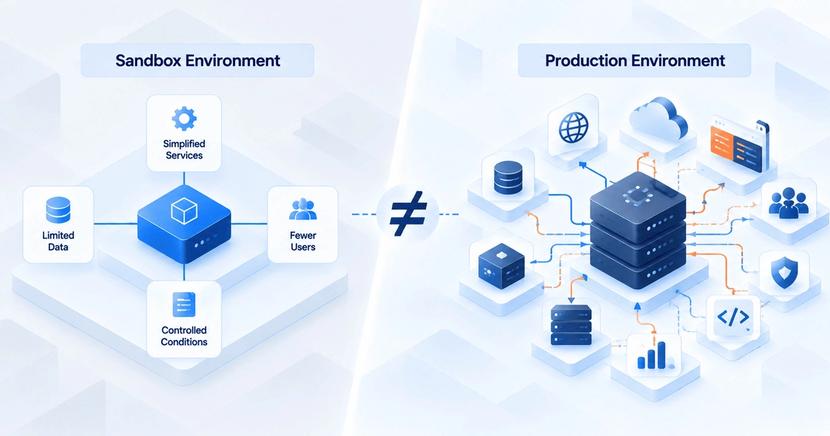
Why Your Sandbox Never Quite Matches Production (And Why That's Fine)
Sandbox testing works best when you stop chasing production parity. Learn what environment drift actually costs and which parts are worth fixing.

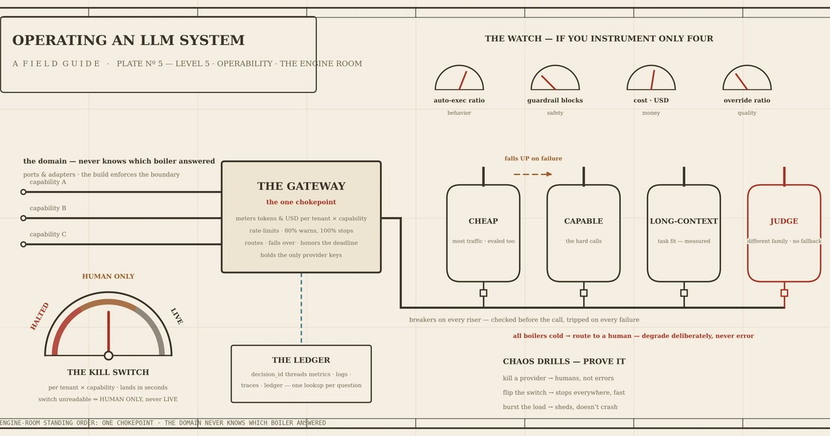
Part 5: Operating an LLM system: observability, cost, routing, and the platform underneath
Your service can be 100% up and still quietly approving the wrong things, burning its budget, or failing over into untested quality. Level 5 is the infrastructure that lets you see your decisions, bound your spend, route and fail over between models, kill bad behavior in seconds — and the platform that makes all of it possible.
Part 6: An operating system for coding agents: the disciplined build
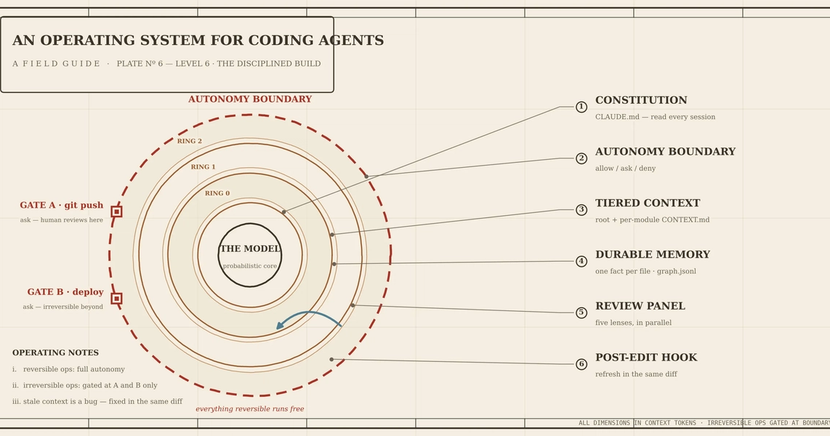
Coding agents are great for an afternoon and mediocre for a quarter. Here’s the small set of files and rules — with the actual configs — that keeps quality from decaying across months and thousands of edits, whether you run one agent or a fleet of them on the same repo.